10th of Frostbreak, 9999
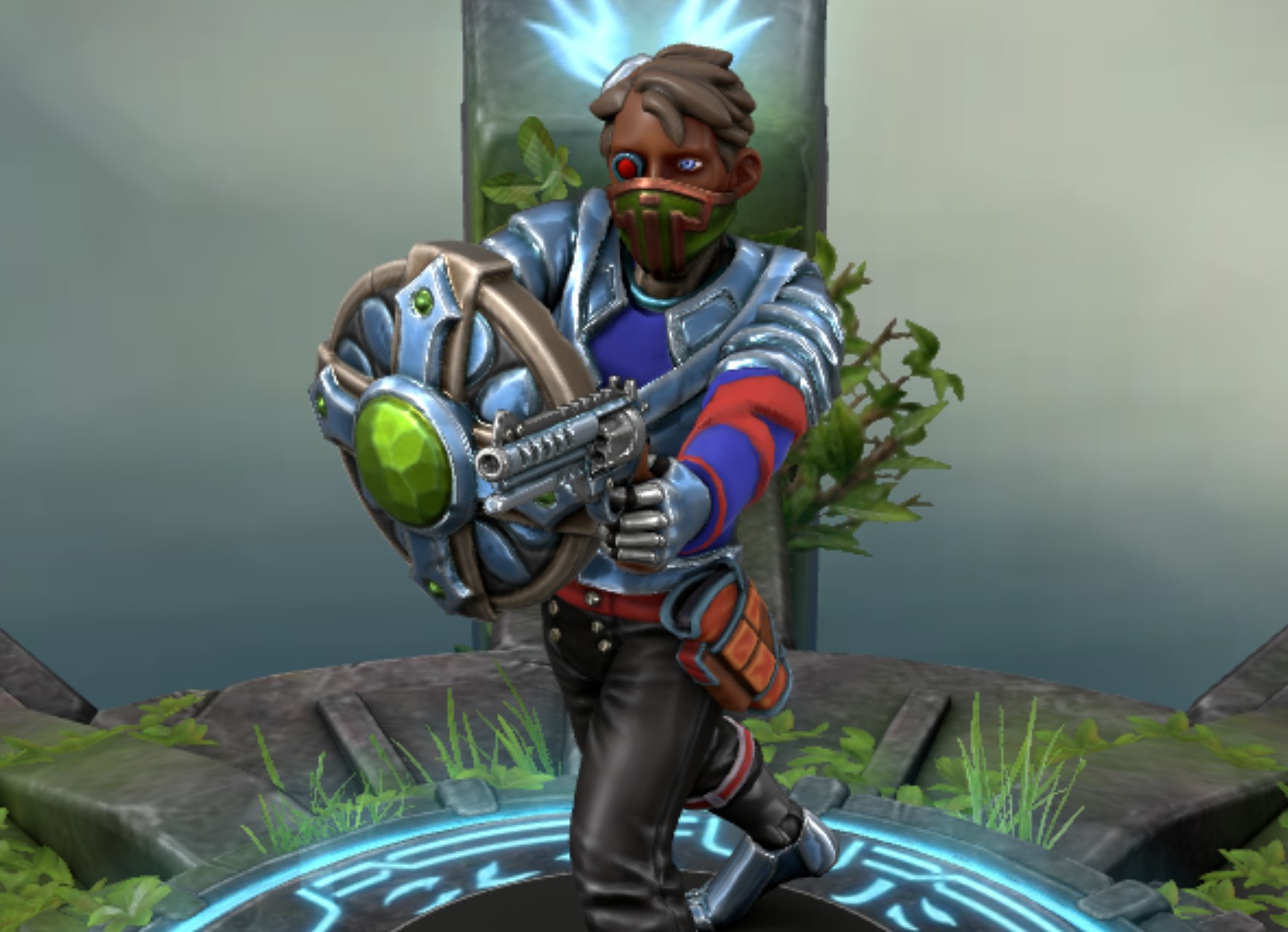
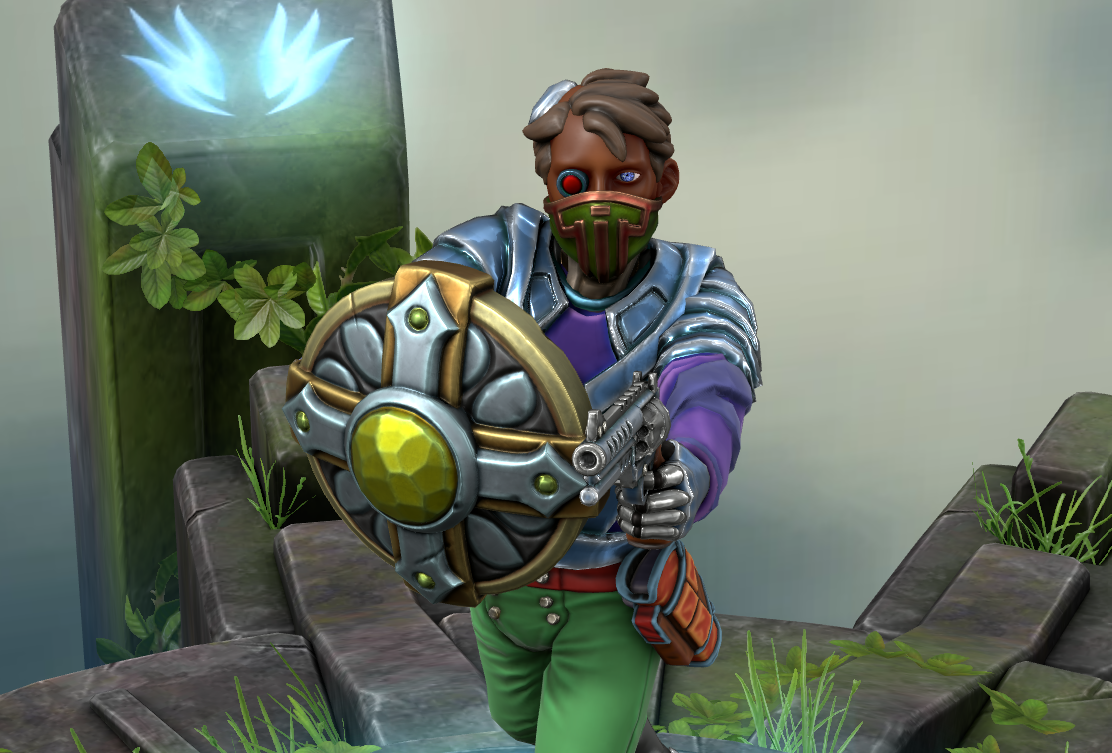
As I'm standing here listening to the hulking monstrosity below us banging, and eventually breaking, through walls below us. I look over at Jaxion and he looks back with a sense of uneasiness. I read the new text message from Kii that they are bringing spaghetti back from their lunch date. This wasn't part of the plan. Jaxion and Kii wandered off as Silas was putting his plan into motion, only catching 83% of the plan. I assume what happened next was the consequences of impatience and/or missing that 17% of the plan. Either way, I'm reminded of a chapter in one of my favorite books. Elias and his gang of cowboys, a western version of the classic Bobbin Hood tale. I don't plan to let anyone perish in our story. Someone had to follow Jaxion to make sure he doesn't charge after "the chest of gold". Not to mention up on this roof is where I'm best utilized to keep watch of everyone below and Jaxion and gives me and my rifle the best vantage point. Maybe I should create a list of books for Kii and Jaxion to ready so they get a better idea of how to lead people. Both have kind of done a piss poor job of getting us to work as a team so far.
Oh great, another message from Ildris... "Dear Silas...."
Chapter Fifteen: The Weight of Dust
By the time the sun slipped behind the red mesas west of Arroyo Seco, the horses already knew something was wrong.
They felt it in the reins—too tight, too quick, too unsure.
They heard it in the voices of the men who had once ridden like a single creature across the plains and now spoke in clipped murmurs that never quite met each other’s eyes.
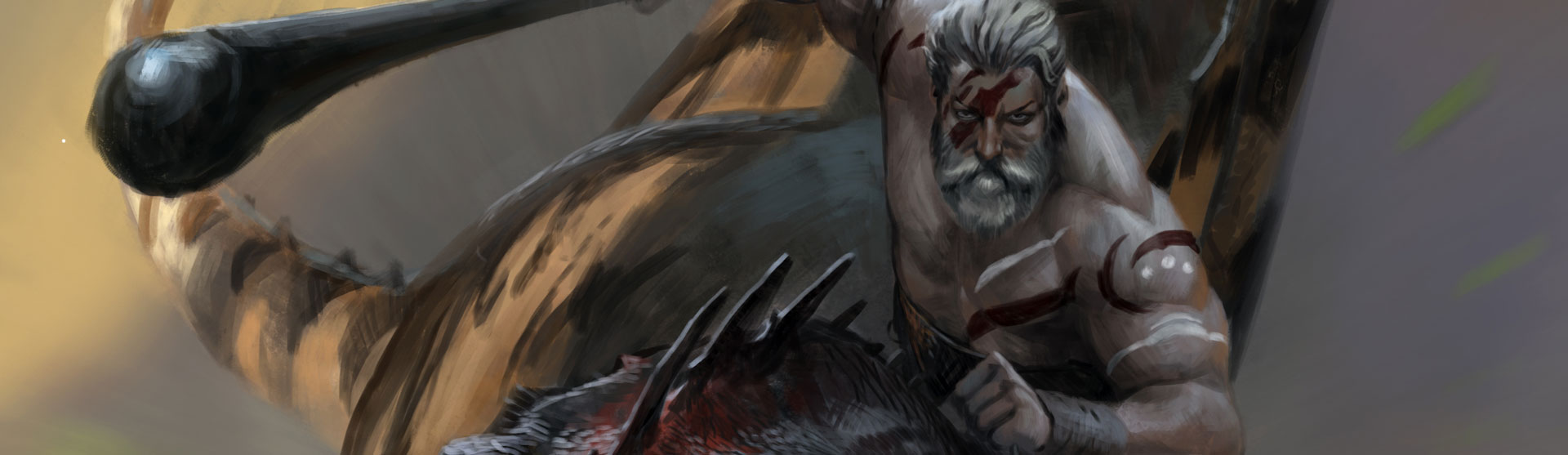
Elias Rook felt it worst of all.
He sat tall in the saddle because that was what a leader did, but the posture felt like a lie stitched onto his spine. Dust clung to his coat, sweat dried stiff at his collar, and the weight in his chest had nothing to do with the miles they’d ridden since dawn.
Behind him rode the rest of the Mercy Band—five men now, not six.
The absence rode louder than hoofbeats.
No one said Caleb Mercer’s name.
Not yet.
They reached the overlook as twilight thinned into blue shadow. Below them, the rail depot at Red Basin glowed with lantern light and the slow crawl of industry. Freight wagons lined the siding. Armed guards paced lazy circles, confident in routine, confident in money, confident in the simple truth that rich men believed danger only came to the poor.
That belief had fed half the towns in this territory for two years.
Elias studied the depot through a spyglass, steady as prayer.
“Shift change’s the same,” muttered Jonas Pike beside him. “Two guards east gate, three by the strong wagon. Just like the map.”
Jonas always sounded like gravel dragged across tin, but tonight there was something else in it—something hollow.
Elias lowered the glass.
“Then we ride at moonrise. Clean and quiet.”
Behind them, Thomas Reed cleared his throat. The youngest of the band, though war had carved enough years into his face to fool strangers.
“Caleb would’ve wanted—”
Sirius Boone cut him off.
“Don’t.”
One word. Flat as a grave marker.
Silence followed, stretching thin.
Elias kept his eyes on the depot because turning around meant facing what he’d done, and he wasn’t ready to see it reflected in five pairs of eyes that used to trust him without question.
The plan had been simple.
They were always simple when Caleb helped draw them.
Ride in from the south gulch.
Jonas and Sirius disable the telegraph.
Thomas and Miguel take the guards quiet.
Elias and Caleb secure the payroll wagon—gold meant for railroad men who’d never set foot in dust towns where children traded hunger like inheritance.
Then ride north before dawn and scatter coin like rain across three starving settlements.
Simple. Clean. Mercy.
That was the way Caleb liked it.
That was the way Elias ruined it.
Moonrise came thin and silver.
They moved like they always had—low in the saddle, shadows among shadows, the rhythm of years guiding muscle better than thought. For a few fragile minutes, it felt like nothing had changed. Like Caleb still rode at Elias’s left shoulder, humming tunelessly, calm as winter water.
Elias almost turned to say something to him.
Almost.
By the time they reached the telegraph post, Jonas and Sirius peeled away without a word. Thomas and Miguel drifted toward the east gate. Elias and—
He swallowed.
—Elias rode alone toward the strong wagon.
No.
Not alone.
Caleb had been there.
He had been.
The memory pressed in whether Elias wanted it or not.
The guard rotation had shifted.
Just a little.
Just enough.
One extra rifleman by the wagon. Lantern set higher than expected. A horse tied where the map had shown empty space.
Caleb saw it first. Of course he did.
He leaned close in the saddle, voice low.
“We wait. Let the next pass come. Ten minutes, maybe fifteen.”
Ten minutes.
Fifteen.
Elias felt the seconds like sand grinding under his ribs. Every delay meant more chance of discovery. More chance the payroll moved. More chance the hungry stayed hungry.
He told himself that’s what drove him.
Not pride.
Not fear.
Not the quiet, gnawing need to prove he could lead without Caleb’s steady hand beside him.
“We can still take it,” Elias whispered. “Fast.”
Caleb shook his head once.
“Fast gets loud. Loud gets dead.”
“Or it gets fed towns by sunrise.”
“Elias.”
Just his name. Soft. Certain.
The way you speak to someone standing too close to a cliff.
For one heartbeat, Elias almost listened.
Then a guard laughed by the wagon, careless and rich with comfort, and something hot and reckless flared in Elias’s chest.
We can do this now.
We should do this now.
I am the one who decides.
He nudged his horse forward.
Behind him, Caleb cursed under his breath and followed—because that’s what brothers did, even when they knew better.
The first part went right.
It always did.
Elias slipped from the saddle, crossed the dust in silence, and dropped the nearest guard before the man could finish his laugh. Caleb moved like shadow beside him, blade quick, hand steady. The second guard folded without sound.
For a moment, victory hovered close enough to touch.
Then the extra rifleman turned.
Too soon.
Too sharp.
Too alive.
His shout split the night open.
Gunfire followed—loud, ugly, unforgiving.
Thomas swore from the gate. Horses screamed. Lantern light swung wild across chaos that should never have existed.
Elias fired once, twice—didn’t know if he hit anything. Someone fell. Someone ran. The world shrank to thunder and smoke and the terrible knowledge that Caleb had been right.
They grabbed the payroll chest anyway. Instinct. Training. Desperation.
“Ride!” Miguel shouted.
They ran for the horses.
And that was when it happened.
Caleb turned back.
Elias saw it in a flash of motion—the way Caleb’s head snapped toward Thomas, who struggled with a wounded guard near the gate. The way Caleb’s shoulders shifted, already choosing.
He was always choosing others.
“Caleb, no!” Elias shouted.
But Caleb was already moving, sprinting through gunfire toward the boy who still believed heroes didn’t die.
One rifle cracked above the rest.
Single. Clean. Final.
Caleb jerked like a puppet with cut strings and fell hard into the dust.
Time stopped.
Sound vanished.
The whole world narrowed to one still shape under swinging lantern light.
Elias couldn’t breathe.
Couldn’t move.
Couldn’t understand how a man who had seemed as permanent as the horizon could suddenly be… gone.
Jonas dragged Thomas to a horse.
Sirius fired covering shots.
Miguel shouted Elias’s name again and again.
But Elias only stared.
Until a bullet snapped past his ear and survival yanked him back into his body.
He ran then.
Ran with the chest.
Ran with the others.
Ran from the shape in the dust that did not move again.
They buried Caleb at dawn.
High ground overlooking the three towns he’d fed more times than anyone could count.
No preacher.
No marker.
Just six men standing in wind that didn’t care about grief.
Five men now.
Jonas said a few words, rough and uneven. Miguel crossed himself. Thomas cried without hiding it.
Sirius said nothing.
Elias couldn’t speak at all.
Because leaders didn’t get to mourn the same way.
Leaders counted consequences.
And every consequence pointed back to him.
Night settled cold around their camp in the hills beyond Red Basin.
The stolen gold lay untouched beside the fire.
No one felt like heroes.
Finally, Sirius stood.
He looked older than Elias had ever seen him, grief carved deep into the lines of his face.
“You broke the plan,” Sirius said.
No anger.
Just truth.
Elias nodded once.
“Yes.”
“You got him killed.”
The words landed like stones dropped down a well with no bottom.
Another nod.
“Yes.”
Thomas flinched. Miguel looked away. Jonas stared into the fire like he wished it could burn memory itself.
Silence stretched until it hurt.
Then Jonas spoke, voice low.
“Question is what we do now.”
Everyone knew what he meant.
Leaders who got men killed didn’t stay leaders.
Sometimes they didn’t stay at all.
Elias felt the truth of that settle over him like winter.
“If you want me gone,” he said quietly, “say it.”
Thomas shook his head hard, tears bright again.
“No.”
Miguel hesitated.
Jonas didn’t answer.
Sirius held Elias’s gaze the longest.
“You don’t get to ride away from this,” Sirius said. “That’d be mercy. And you don’t deserve mercy tonight.”
Each word cut clean.
“But you don’t get to lead either.”
There it was.
The thing Elias had known since the rifle cracked in the dark.
Leadership wasn’t a title.
It was trust.
And he had shattered it with one impatient step forward.
Elias swallowed past the tightness in his throat.
“Then who?”
Sirius looked toward Jonas.
Jonas cursed softly.
“Damn it.”
“Someone has to,” Sirius said.
Long silence.
Then Jonas nodded once, like accepting a sentence.
“Fine. Temporary,” he muttered. “Till we figure the rest.”
No one argued.
Because everyone understood what had changed.
Everything.
Later, when the fire burned low and the others slept in uneasy fragments, Elias sat alone at the edge of camp.
The wind carried dust across the hills, whispering over stone, over graves, over men who wished they could undo a single moment and knew they never would.
He thought about Caleb’s voice.
Fast gets loud. Loud gets dead.
He thought about the towns that would still receive the gold.
About children who would eat because of a plan that had half succeeded and half destroyed them.
Mercy and ruin, tangled together.
Just like him.
Footsteps approached softly.
Thomas lowered himself beside Elias without speaking.
For a long time, they just watched the dark.
“I don’t hate you,” Thomas said finally, voice raw. “I tried to. Can’t.”
Elias closed his eyes.
“Maybe you should.”
Thomas shook his head.
“Caleb chose to go back. That’s who he was.”
“Because I failed first.”
Silence again.
Then Thomas whispered, “What do you do now?”
Elias looked toward the faint outline of the fresh grave on the ridge.
The answer felt like walking barefoot into winter.
“I stay,” he said. “And I earn whatever’s left. Or I die trying.”
Thomas nodded slowly.
Not forgiveness.
Not yet.
But not nothing.
Far above them, the stars burned cold and distant, indifferent to men and mistakes and graves carved too soon into stubborn earth.
The Mercy Band slept as strangers wearing familiar faces.
And Elias Rook—once their unquestioned leader, now only a man carrying the heaviest dust of all—kept watch until dawn, knowing some losses never faded…
…and some consequences were only just beginning.
Read entry